



OHO Media International By Max Thompson, Senior Correspondent March 15, 2026
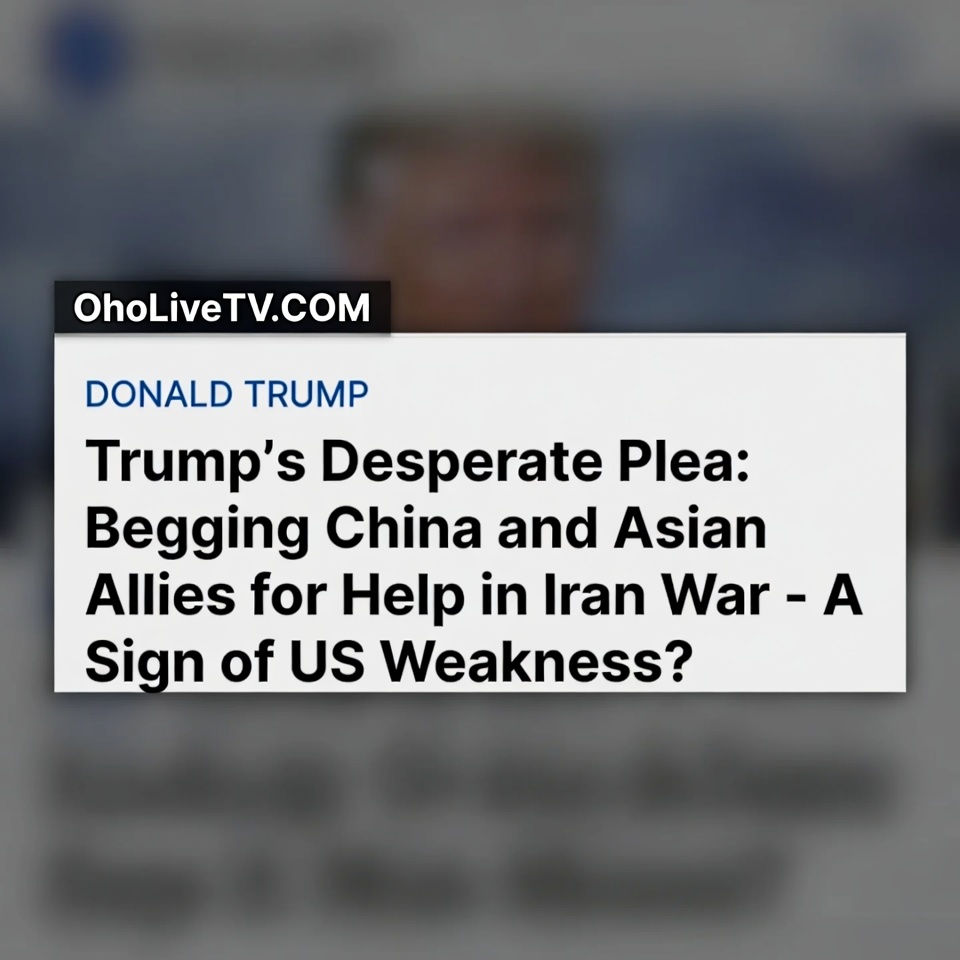
WASHINGTON – As the US-led war against Iran grinds into its third week with mounting losses and depleting missile stocks, President Donald Trump has issued an urgent call for help from Asian nations heavily dependent on Gulf oil. In a move that critics call a sign of desperation, Trump urged countries to deploy warships to reopen the Strait of Hormuz, a critical chokepoint disrupted by Iranian attacks. This plea highlights the US’s isolated position, with even close allies hesitant to commit troops, raising questions: Is America so desperate that it’s begging for aid from potential rivals like China?
Trump’s Call for Naval Help – The Countries Involved
During a White House briefing on March 11, Trump explicitly called on nations reliant on Persian Gulf oil to “send warships to secure the Strait of Hormuz,” warning that without action, global energy supplies could collapse. “This will happen soon,” Trump said, emphasizing US Navy escorts but stressing the need for international support to share the burden.
Based on reports from Politico, Reuters, and other sources, the following Asian countries have been directly or indirectly urged to contribute:
- Japan: As one of the largest importers of Gulf oil, Japan has been scrambling to address the energy crisis but fears the war will divert US resources from defending against China. Tokyo is considering naval escorts but has not committed, per Politico sources.
- South Korea: Heavily dependent on Middle East oil (over 70% of imports), Seoul is worried about economic destabilization. Trump has reportedly pressed for South Korean naval assets, but officials cite the need to focus on North Korea threats.
- India: With two LPG carriers allowed through the strait amid Iran’s restrictions, India has been in talks with the US. New Delhi, a major buyer of Iranian oil pre-war, is contemplating limited support but prioritizes its own energy security.
- Thailand and Vietnam: Both nations, vulnerable to oil shortages, have been mentioned in Trump’s calls for “coalition” help, though no formal commitments have been made.
- China: In a surprising twist, Trump is preparing to meet President Xi Jinping at the end of March, where he may push for Beijing’s assistance in securing shipping lanes. China, Iran’s ally and the world’s largest oil importer, has condemned the strikes but could benefit from stabilized routes. However, experts doubt Xi will comply, viewing it as US desperation.
Trump’s strategy echoes his “burden-sharing” rhetoric, but the plea comes amid heavy US naval losses (e.g., USS Gerald R. Ford heavily damaged) and depleting interceptor stocks, as reported by Reuters and BBC.
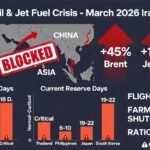
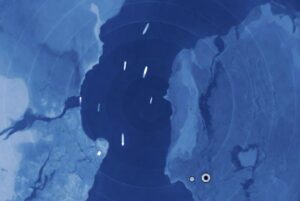
Here’s a map showing the Strait of Hormuz chokepoint and affected Asian import routes:
Desperation or Strategy? The Bigger Picture
Critics argue Trump’s outreach signals weakness: the US, despite its military might, is stretched thin by the Iran campaign and ongoing commitments in Ukraine. “This isn’t leadership—it’s begging,” said a Brookings analyst. Oil prices have surged to $115 per barrel, crippling Asian economies like Japan’s (70% Gulf-dependent) and India’s, per Politico.
Asian allies fear the war diverts US focus from China threats, as Reuters noted. Trump has downplayed rifts, but his upcoming Xi meeting could be a desperate bid for de-escalation or covert support.
If these nations join, it could form a fragile coalition—but refusal might expose US isolation. As one former US official told Politico, “Asian partners see this as Trump’s mess, not theirs.”
What do you think? Is Trump desperate, or is this a clever way to share the burden?
About The Author



More Stories
Happy Birthday, Christina Daous! 🎉
“Starlink Grid” – Is Elon Musk Building a Global Surveillance Network?
Global Oil Price Forecasts Amid the Iran–US–Israel Conflict (March 2026 Update – as of March 22, 2026)