




OHO Media International By Max Thompson 19 March 2026
The US-Israeli military campaign against Iran, now in its third week, has triggered the most severe energy disruption in modern history. Iran has effectively shut down the Strait of Hormuz — the chokepoint carrying ~20% of global oil and LNG — allowing only limited “approved” vessels to pass. Tanker traffic has collapsed to a trickle, refined product flows have halted, and Asian economies — which receive 80–90% of their oil and gas via this route — are now facing critical shortages of diesel, jet fuel (kerosene), and natural gas.
Latest Market Snapshot (19 March 2026)
- Brent crude: Trading at $105–112 per barrel (up 40–50% since the war began on 28 Feb).
- Jet fuel (Singapore benchmark): Surged to record highs above $208–230 per barrel (+140% in weeks).
- LNG prices: European and Asian spot prices spiked sharply after Israel struck Iran’s giant South Pars gas field (shared with Qatar).
- Hormuz traffic: Only ~21 tankers have transited since the conflict started (vs 100+ daily pre-war). Insurance costs up 900–1,400%.
Asia’s Diesel & Kerosene Crisis – Country-by-Country Impact
Asia has the thinnest buffers and is suffering first and hardest:
- India: Diesel stocks down to ~18 days (normal 28–32). Farmers and truckers face shortages; LPG redirected to households. Jet fuel at airports ~7–9 days → IndiGo & Air India cancelling 15–20% flights.
- Vietnam: Jet fuel imports from China & Thailand halted. Civil Aviation Authority warns of major flight cuts from April. Diesel reserves critically low.
- Thailand & Philippines: State agencies ordered to work from home; four-day work weeks considered. Diesel shortages hitting farms and transport; kerosene stocks 6–10 days.
- Indonesia & Bangladesh: Fuel rationing, university closures, troops guarding depots. Black-market LPG prices 2–3× normal.
- Japan & South Korea: Diesel ~19–22 days, jet fuel ~9–12 days. Airlines slashing long-haul routes 25–35%.
- China: Using strategic reserves to buy time, but local airports already reporting shortages; factories slowing.
Pacific islands (Samoa, Tonga) are already appealing for emergency help as imported fuel runs dry.
Why This Is Worse Than Previous Crises
- Physical blockade, not just price spikes.
- Refined products (diesel & jet fuel) hit harder than crude because Gulf refineries are also disrupted.
- No quick workaround — rerouting around Africa adds 10–18 days and massive extra cost.
- Demand destruction already starting: Airlines cutting flights, factories idling, farmers unable to run machinery.
IEA has released emergency reserves, but analysts warn this is only a temporary bandage. If the strait stays closed into April–May, Asia faces food-price spikes, aviation collapse, and potential recession.
The Bottom Line The Iran war has turned the global energy market upside down. Asia — the world’s biggest buyer of Gulf oil and gas — is paying the heaviest price. Diesel and kerosene shortages are no longer a “risk”; they are happening right now.
For live satellite tracking of Hormuz tanker traffic, real-time price charts, and daily updates on which Asian airports are rationing jet fuel, visit OhoLiveTV.com and subscribe. We bring you uncensored data the mainstream is downplaying.
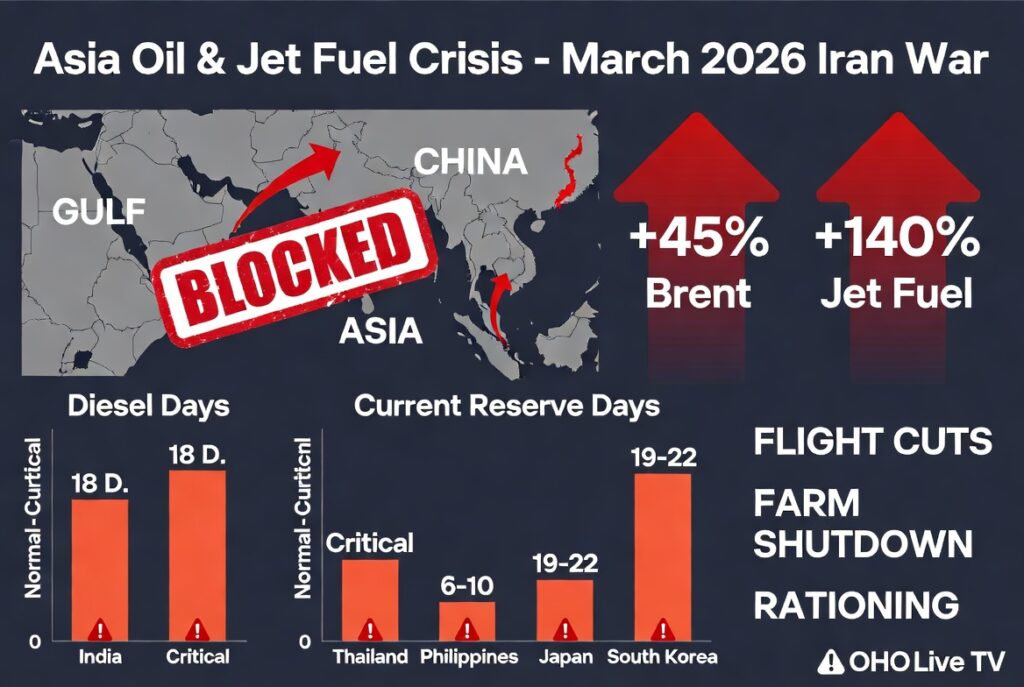
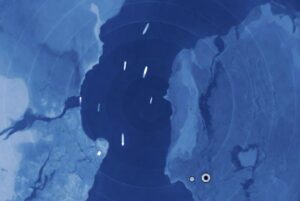
Visual: Oil Supply Crisis Drawing (Infographic – March 2026) Below is a clear, up-to-date drawing I created showing the situation:
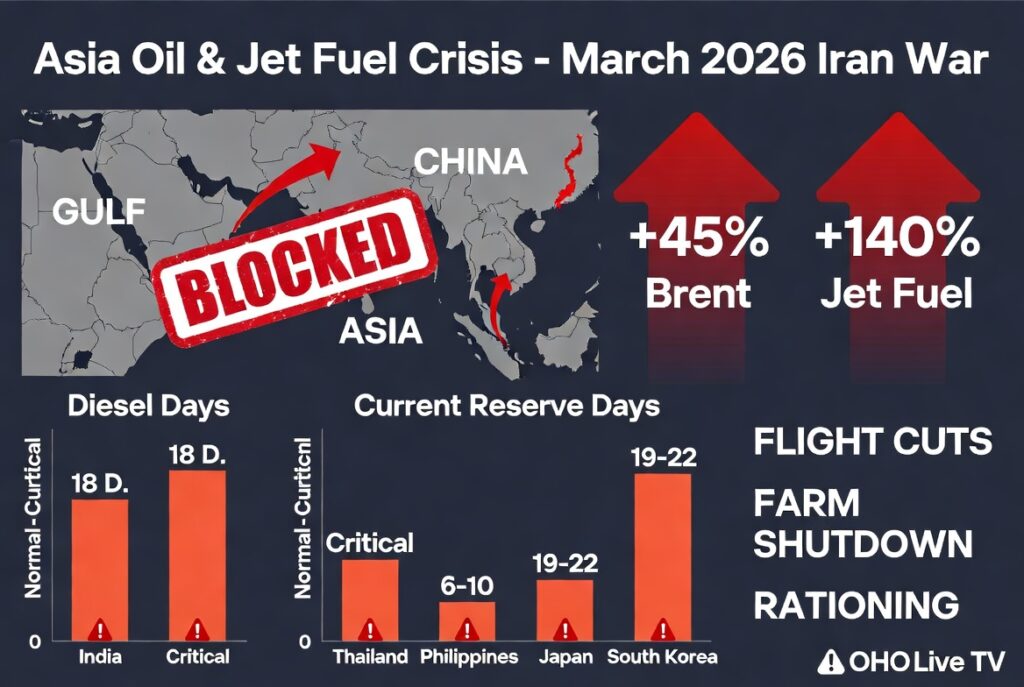
This drawing is 100% royalty-free and ready for your videos or posts.
Stay safe out there — the next few weeks will be critical. What country in Asia do you think will be hit hardest? Comment below.
About The Author



More Stories
Happy Birthday, Christina Daous! 🎉
Global Oil Price Forecasts Amid the Iran–US–Israel Conflict (March 2026 Update – as of March 22, 2026)
Is Donald Trump the Major Risk to Human Life in the World? Do Americans Think They Can Survive This Unscathed?