




OHO Media International Max Thompson March 22, 2026
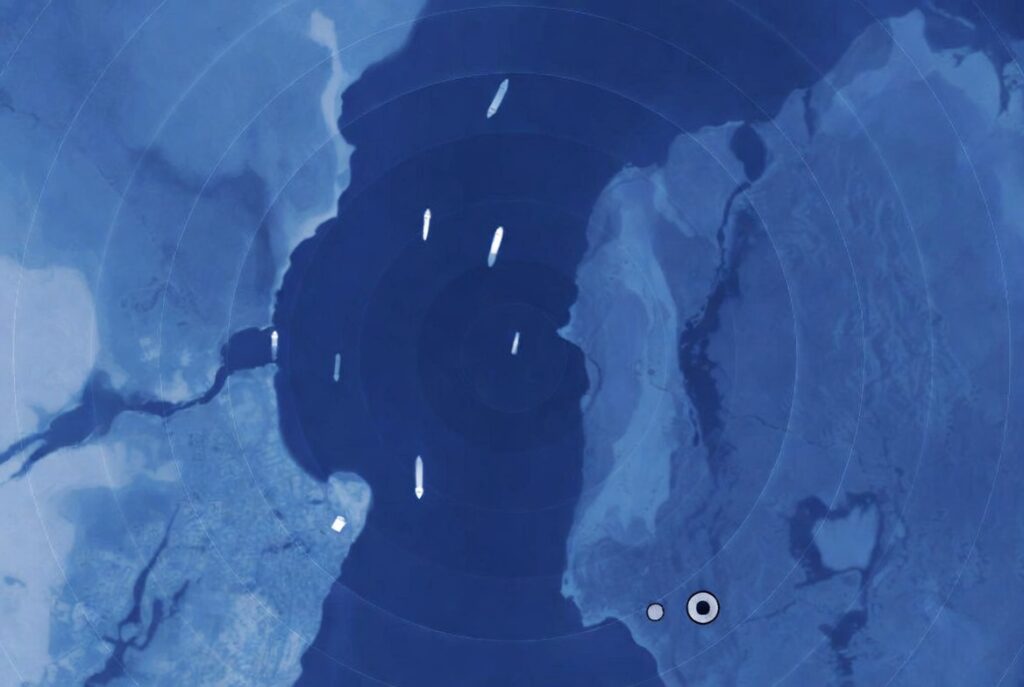
The Iran–US–Israel war has now lasted 23 days with no ceasefire agreement in sight. The Strait of Hormuz remains partially blocked (only ~20–25 % of normal tanker traffic is allowed under Iranian “approval” rules), Gulf refining capacity is heavily disrupted, and fear of further escalation continues to dominate oil pricing.
Below is a summary of the latest forecasts from major institutions and banks (IEA, EIA, Goldman Sachs, JPMorgan, Barclays, Morgan Stanley, OPEC – data compiled March 20–22, 2026).
Short-Term Outlook (Next 1–3 Months – March to June 2026)
- Base Case (most likely – 55–60 % probability) Brent average: $105–118 per barrel Rationale: Hormuz stays partially open (limited tanker flow continues), no new major refinery or export terminal destroyed, additional SPR/strategic reserve releases by the US and allies (~60–90 million barrels in Q2). Sources: Goldman Sachs ($110 Q2 average), Barclays ($108), IEA reference case ($112).
- Upside / Escalation Scenario (25–30 % probability) Brent spikes to $130–160 per barrel (briefly $180–200 in full Hormuz closure) Triggers: Iran fully closes the strait, successful attack on a major Saudi/UAE export terminal, or US/Israel strike on South Pars gas field (shared with Qatar). Sources: Morgan Stanley ($145–160 in full blockade), JPMorgan ($140+ in worst-case 30-day closure).
- Downside / Rapid De-escalation (10–15 % probability) Brent falls back to $85–95 per barrel Triggers: Credible Oman/Qatar-mediated ceasefire within 2–4 weeks, full reopening of Hormuz, large additional SPR releases. Sources: IEA downside case ($90 Q2 average if de-escalation occurs).
Medium-Term Outlook (Q3–Q4 2026)
- Base Case: $95–110 per barrel Assumptions: Partial normalization of Gulf flows by summer, OPEC+ increases output (+1–1.5 mb/d), US shale ramps up drilling.
- Upside Risk: $120–140 if conflict drags into Q4 with repeated disruptions.
- Downside Risk: $75–90 if ceasefire holds and global demand weakens due to recession fears.
Key Factors to Watch This Week (March 20–27, 2026)
- Daily tanker transits through Hormuz – if numbers stay below 30 (vs pre-war 100+), upside risk rises sharply.
- Any new strike on South Pars gas field (Iran–Qatar shared) – would simultaneously spike LNG and oil prices.
- US SPR releases – reserves are down to ~350 million barrels; Trump administration has signaled willingness to release another 20–50 million if prices approach $130.
- OPEC+ response – Saudi Arabia and UAE have ~3 mb/d spare capacity, but both face direct Iranian missile threat – production increases unlikely without security guarantees.
Bottom Line for March–June 2026
Markets are pricing in a high-probability base case of $105–118 Brent over the next three months, but with a very heavy upside tail risk — a complete Hormuz closure or major new strike could easily drive prices to $140–160+ for weeks. Downside relief (sub-$100) requires a credible ceasefire within the next 2–4 weeks..
The next 7–14 days will likely decide whether we see $120+ oil or a path back toward $90–100. Stay informed – this war is far from over.
What do you think? Will prices stay under $120, or are we headed for a new oil shock?
About The Author




More Stories
Happy Birthday, Christina Daous! 🎉
Iran War Escalates: Strait of Hormuz Effectively Closed – Asia Hit by Acute Diesel, Kerosene & Gas Shortages (Latest as of 19 March 2026)
Is Donald Trump the Major Risk to Human Life in the World? Do Americans Think They Can Survive This Unscathed?