



By Max Thompson OHO Media International Desk February 23, 2026 – Miami, Florida
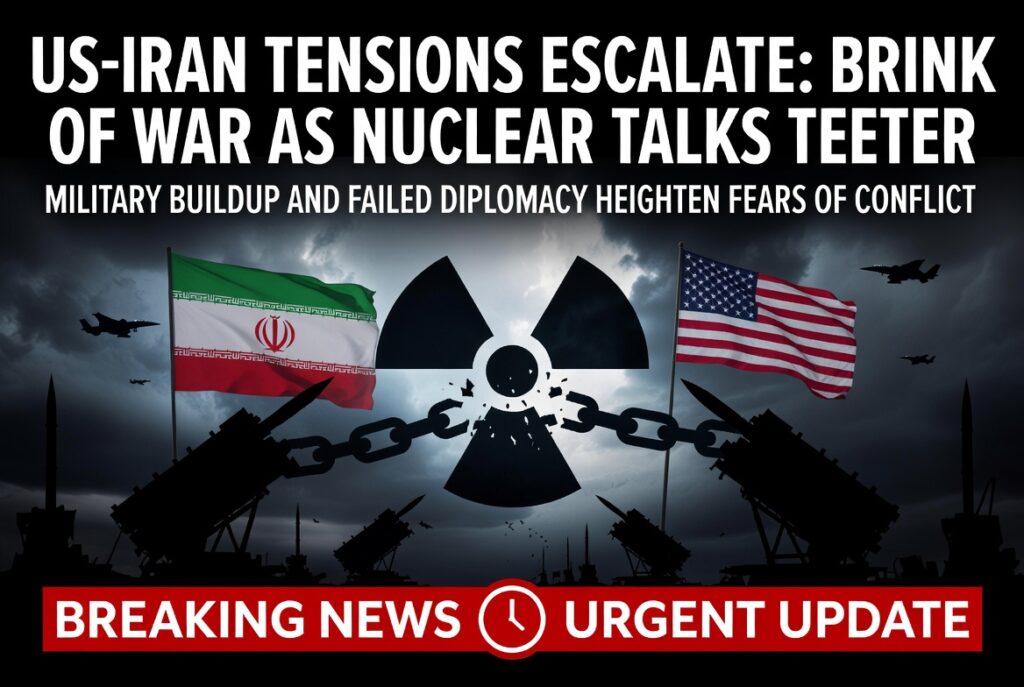
WASHINGTON/TEHRAN – As diplomatic channels strain under mounting pressure, the United States and Iran appear to be sliding inexorably toward military confrontation. With indirect nuclear talks set to resume in Geneva on Thursday, President Donald Trump has signaled that limited strikes against Iranian facilities remain a viable option if Tehran refuses to compromise on its uranium enrichment program. Analysts warn that any escalation could ignite a broader regional conflict, disrupting global oil supplies and drawing in allies like Israel and proxy groups such as Hezbollah.
The crisis intensified last week when Trump announced a 10- to 15-day window for a decision on potential military action, following reports of Iran’s accelerated nuclear activities. US forces have bolstered their presence in the Middle East, with the USS Gerald R. Ford aircraft carrier group now positioned in the Mediterranean Sea, ready to launch airstrikes if ordered. This deployment, part of a larger buildup, underscores Washington’s readiness for what could be a weeks-long campaign targeting Iran’s nuclear sites, missile facilities, and air defenses.
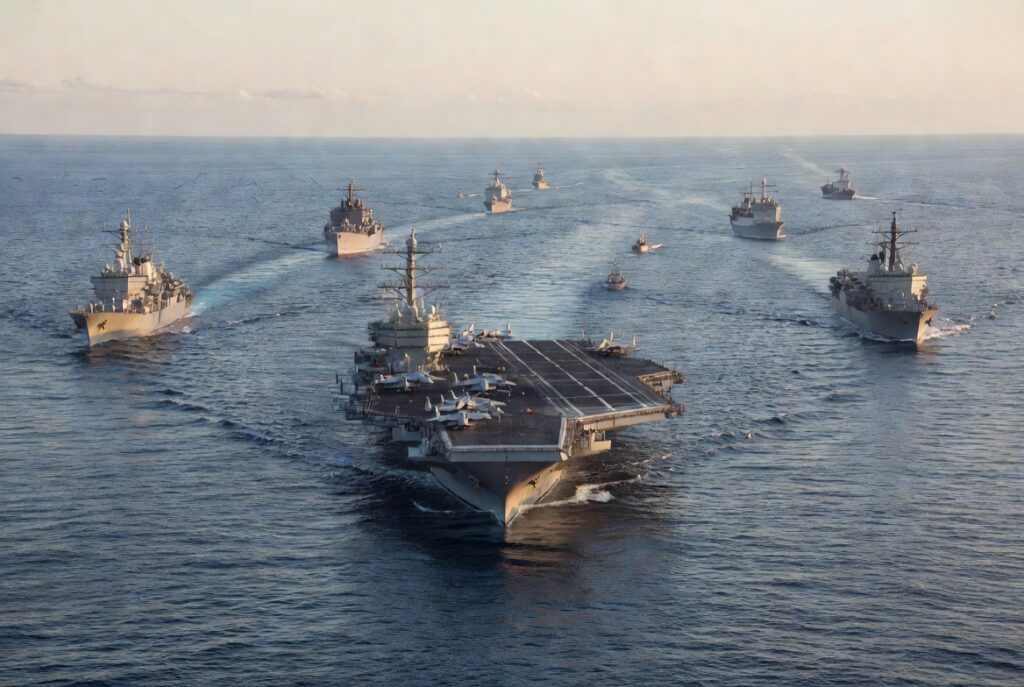
The Ford, the world’s largest aircraft carrier, symbolizes the US’s overwhelming military advantage, but experts caution that Iran is not defenseless. Tehran has fortified its underground nuclear installations and heightened air defenses, preparing for a potential assault that could come as early as this weekend if talks collapse.
Iranian President Masoud Pezeshkian has remained defiant, declaring that Iran “will not bow down to US pressure” in the negotiations. Speaking at a public event in Tehran, Pezeshkian emphasized Tehran’s commitment to its nuclear program for peaceful purposes, while accusing the US of using threats to force concessions. “We are ready for dialogue, but not under duress,” he stated, echoing sentiments from Supreme Leader Ali Khamenei.
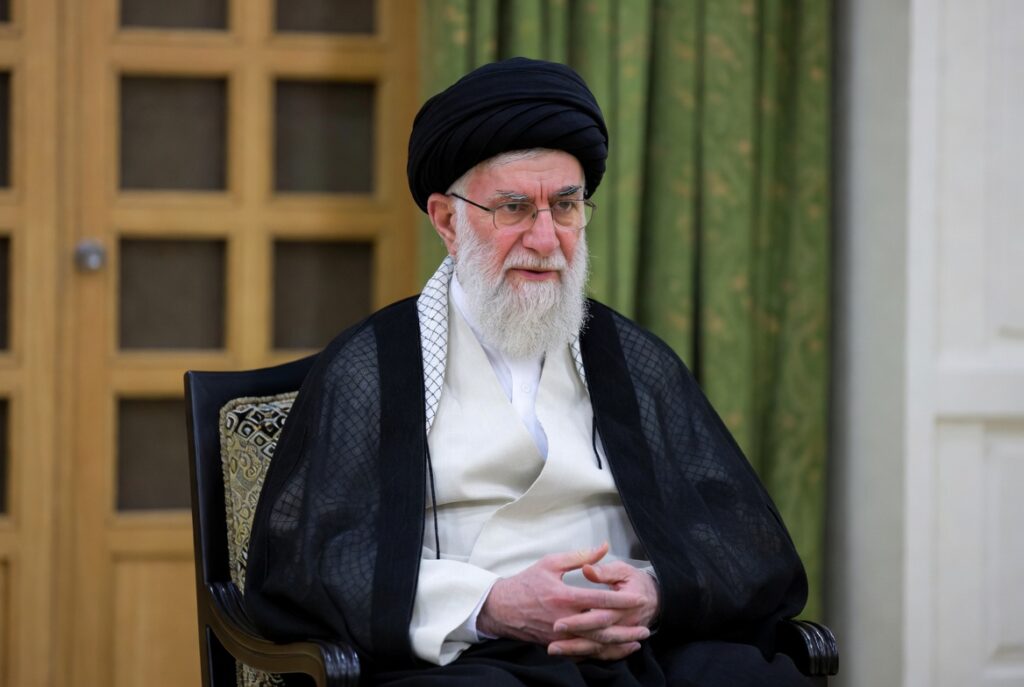
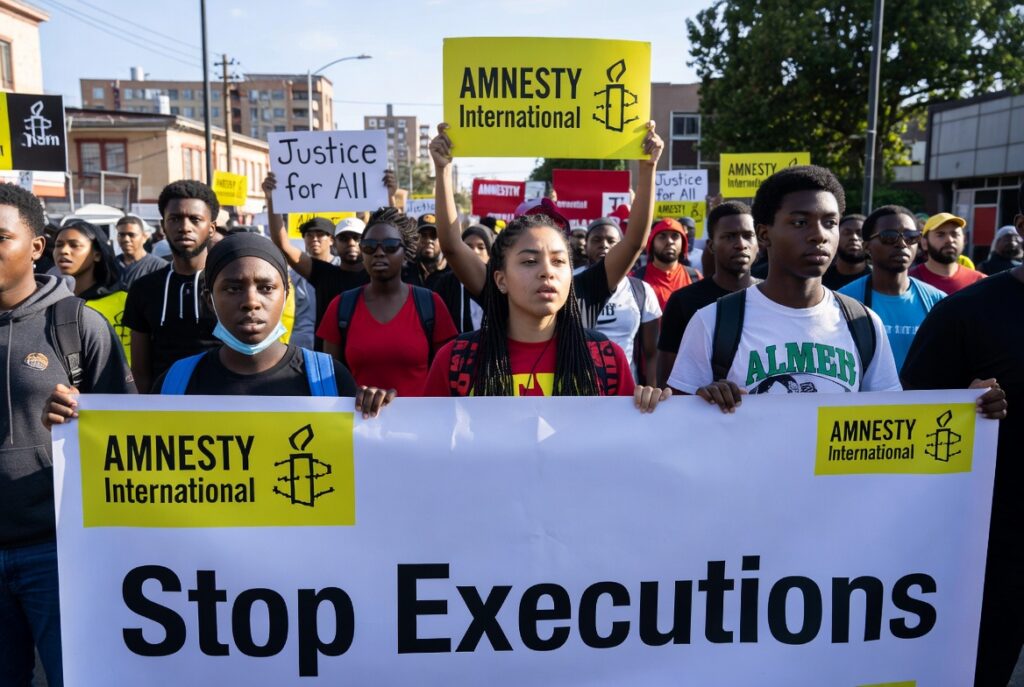
Domestically, Iran is grappling with renewed unrest. Protests have erupted in major cities like Tehran and Mashhad, with students and activists honoring those killed in January’s crackdown, where over 30,000 reportedly lost their lives. Demonstrators chant against the regime, demanding change amid economic hardships exacerbated by sanctions and the looming threat of war. Amnesty International has warned of impending executions for dozens more protesters.
The stakes are global. A US strike could prompt Iran to block the Strait of Hormuz, through which 20% of the world’s oil passes, sending prices skyrocketing and triggering economic turmoil. Israel, already on high alert, has raised readiness in its northern borders, anticipating retaliation from Iranian-backed militias. Critics in Washington argue that Trump is “sleepwalking into war” without clear objectives, raising fears of a protracted conflict reminiscent of past Middle East entanglements.
As Oman mediates the upcoming Geneva discussions, the world watches breathlessly. Will diplomacy prevail, or will the region plunge into chaos? Sources close to the talks express cautious optimism, but with military assets in place, the window for peace is narrowing fast. For now, the shadow of war looms large over the Middle East.
About The Author



More Stories
Happy Birthday, Christina Daous! 🎉
“Starlink Grid” – Is Elon Musk Building a Global Surveillance Network?
Global Oil Price Forecasts Amid the Iran–US–Israel Conflict (March 2026 Update – as of March 22, 2026)